Bitcoin-News
Nifty 50 PE Ratio Chart: Why It's Crucial for Your Trading Strategy
Sponsored
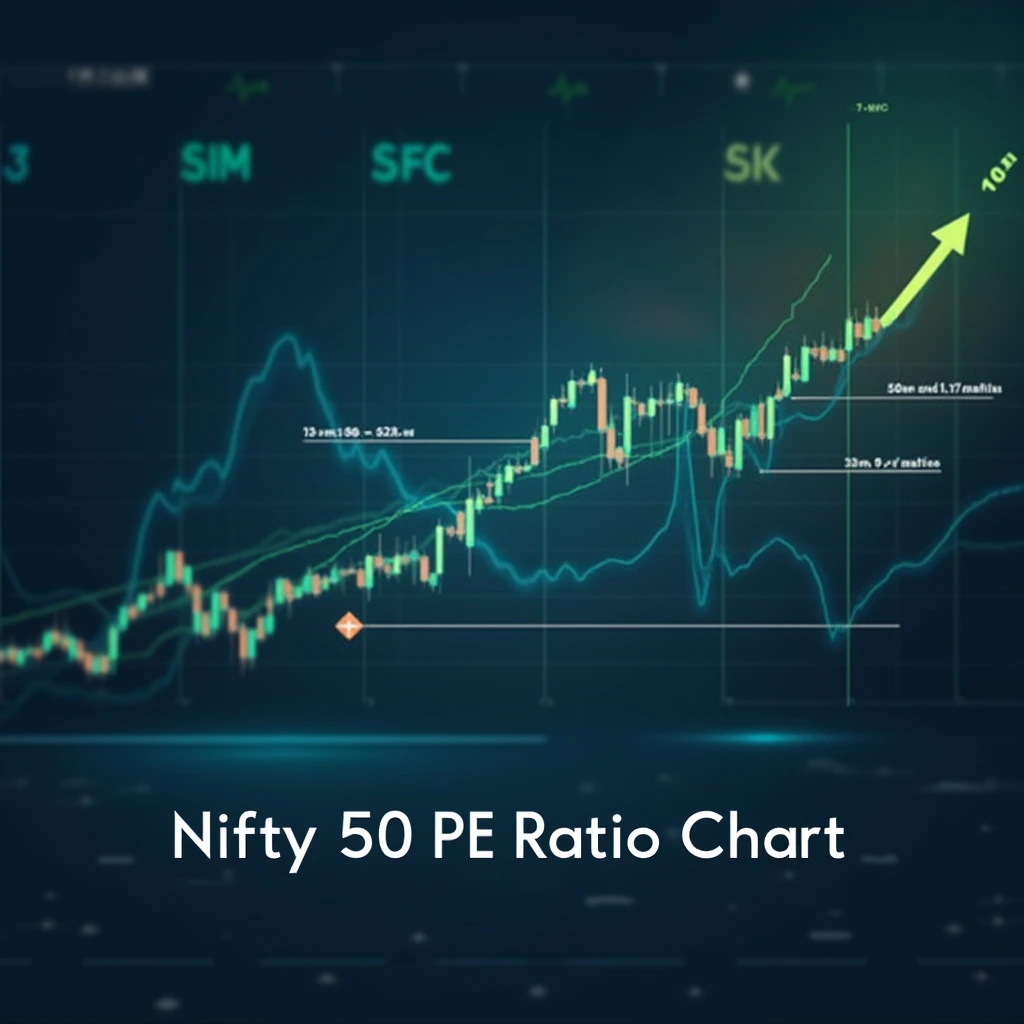
Nifty 50 PE Ratio Chart Guide for Smarter Trading
The Nifty 50 PE ratio chart is a critical tool for investors and traders aiming to understand market valuation and anticipate trends. It reflects how the market values the earnings of the top 50 Indian companies and helps identify periods when the market may be overvalued or undervalued. By studying the Nifty 50 PE ratio, traders can make informed decisions that align with both short-term trading and long-term investment strategies.
In this guide, we explore the significance of the Nifty 50 PE ratio, how to interpret the chart, factors affecting it, and practical ways to use it for market timing and strategy development. By the end of this article, you will have a clear understanding of how to leverage this essential financial metric.
What Is the Nifty 50 PE Ratio?
The Nifty 50 PE ratio is a financial metric that compares the market price of the Nifty 50 index with the earnings of the companies included in it. It essentially indicates how much investors are willing to pay for each unit of earnings. A higher PE ratio may suggest that the market is overvalued, while a lower PE ratio may indicate undervaluation. This metric is a foundational tool for evaluating overall market conditions and assessing potential investment opportunities.
Unlike individual stock analysis, the Nifty 50 PE ratio provides a broad snapshot of market sentiment and valuation. By combining it with other financial indicators such as dividend yield, interest rates, and inflation data, investors gain a more holistic view of market dynamics.
Understanding the Nifty 50 PE Ratio Chart
The Nifty 50 PE ratio chart visualizes historical PE ratios of the index over time. It helps traders identify patterns of market optimism or caution. For example, periods of high PE ratios often coincide with investor exuberance, while lower PE ratios may suggest caution or undervaluation. Analyzing these trends allows traders to anticipate potential market corrections or rallies.
Market events, economic changes, and investor sentiment heavily influence the PE ratio. By studying the historical chart, investors can understand how the Nifty 50 reacts to macroeconomic events, corporate earnings announcements, and global financial shifts. This makes the PE ratio chart an indispensable guide for market analysis.
Sponsored
How to Read the Nifty 50 PE Ratio Chart
Reading the Nifty 50 PE ratio chart is straightforward once you understand the key components. The vertical axis represents PE values, while the horizontal axis shows the time period. A rising PE indicates the market is becoming more expensive relative to earnings, and a declining PE suggests lower valuations.
It is crucial to compare the current PE with historical averages. A ratio significantly above its long-term average may indicate an overheated market, while a ratio well below the average could present buying opportunities. This contextual understanding allows traders to make strategic decisions rather than reacting impulsively to short-term market fluctuations.
The Role of Nifty 50 PE Ratio in Market Timing
Investors often use the Nifty 50 PE ratio to time market entries and exits. When the PE ratio is high, investors might wait for a correction or consider portfolio rebalancing. Conversely, a low PE ratio often signals undervaluation, providing an attractive entry point for long-term investments.
While valuable, the PE ratio should not be used in isolation. Market movements are influenced by various factors including economic data, interest rates, global trends, and geopolitical events. A well-rounded investment strategy considers the PE ratio alongside other technical and fundamental indicators.
Factors Affecting the Nifty 50 PE Ratio
Several key factors contribute to fluctuations in the Nifty 50 PE ratio:
- Economic Growth: Higher economic growth typically boosts corporate earnings, which can increase the PE ratio as investor confidence grows.
- Inflation: Rising inflation can lower purchasing power and corporate profits, potentially reducing the PE ratio.
- Interest Rates: Lower interest rates make equities more attractive compared to fixed-income securities, often driving up the PE ratio.
- Corporate Earnings: When earnings grow faster than stock prices, the PE ratio decreases, signaling a potentially undervalued market.
Nifty 50 PE Ratio and Market Sentiment
The PE ratio also mirrors investor sentiment. Bullish markets typically drive the PE ratio higher as optimism about future earnings grows. During bearish phases, sentiment turns negative, often resulting in lower PE ratios. Understanding these emotional patterns can help investors avoid rash decisions and capitalize on market opportunities with a strategic approach.
Historical Nifty 50 PE Ratio Trends
Historical trends reveal that the Nifty 50 PE ratio moves in cycles reflecting economic expansions and contractions. For instance, during the 2008 financial crisis, the PE ratio dropped sharply due to declining corporate earnings and market uncertainty. On the other hand, post-2020 pandemic recovery saw a sharp rebound in PE ratios, driven by economic stimulus measures and market optimism.
By analyzing these trends, traders can anticipate potential market peaks or troughs, aiding in better timing of investments and trades.
Using Nifty 50 PE Ratio for Long-Term Investment
Long-term investors can use the PE ratio to gauge market conditions and investment timing. High PE levels may suggest caution, while low levels could indicate undervalued opportunities. Comparing the Nifty 50 PE with other indices, such as the BSE Sensex, can also provide insights into relative market valuation, guiding decisions on sector allocation and diversification.
Short-Term Trading with the Nifty 50 PE Ratio
Short-term traders benefit from monitoring rapid changes in the PE ratio to identify market momentum. Rising PE ratios may signal bullish phases, while falling ratios could indicate corrections or slowdowns. Traders often combine PE analysis with technical indicators to optimize entry and exit points for maximum returns.
Advantages of Monitoring the Nifty 50 PE Ratio Chart
- Market Insights: Understand overall market sentiment and valuation trends.
- Valuation Assessment: Evaluate whether the market is overvalued or undervalued.
- Market Timing: Improve entry and exit strategies based on data-driven analysis.
Nifty 50 PE Ratio Chart—A Key Trading Tool
The Nifty 50 PE ratio chart is more than a numeric indicator; it is a strategic tool for making informed trading decisions. Regularly analyzing this metric can help investors and traders align their strategies with market conditions, reduce risk, and identify profitable opportunities. Always combine the PE ratio with other analysis tools to build a comprehensive trading approach that suits your investment goals.
FAQs
What does a high Nifty 50 PE ratio indicate?
A high PE ratio suggests the market may be overvalued, implying that investors are paying a premium for earnings. This could indicate potential market corrections ahead.
How often should I check the Nifty 50 PE ratio chart?
Long-term investors can review the PE ratio monthly or quarterly, while short-term traders may monitor it weekly or daily for more timely decisions.
Can I use the Nifty 50 PE ratio alone to make investment decisions?
The PE ratio is valuable but should be combined with other indicators and financial analysis for a balanced strategy.
How does the Nifty 50 PE ratio compare to other indices?
Comparing it with indices like the BSE Sensex helps assess relative market valuation and identify potential investment opportunities.
What other factors affect the Nifty 50 PE ratio?
Economic growth, inflation, interest rates, and corporate earnings all play a significant role in influencing the PE ratio over time.
Recommended for you