Sponsored
Is It Legal to Trade Forex in Malaysia?
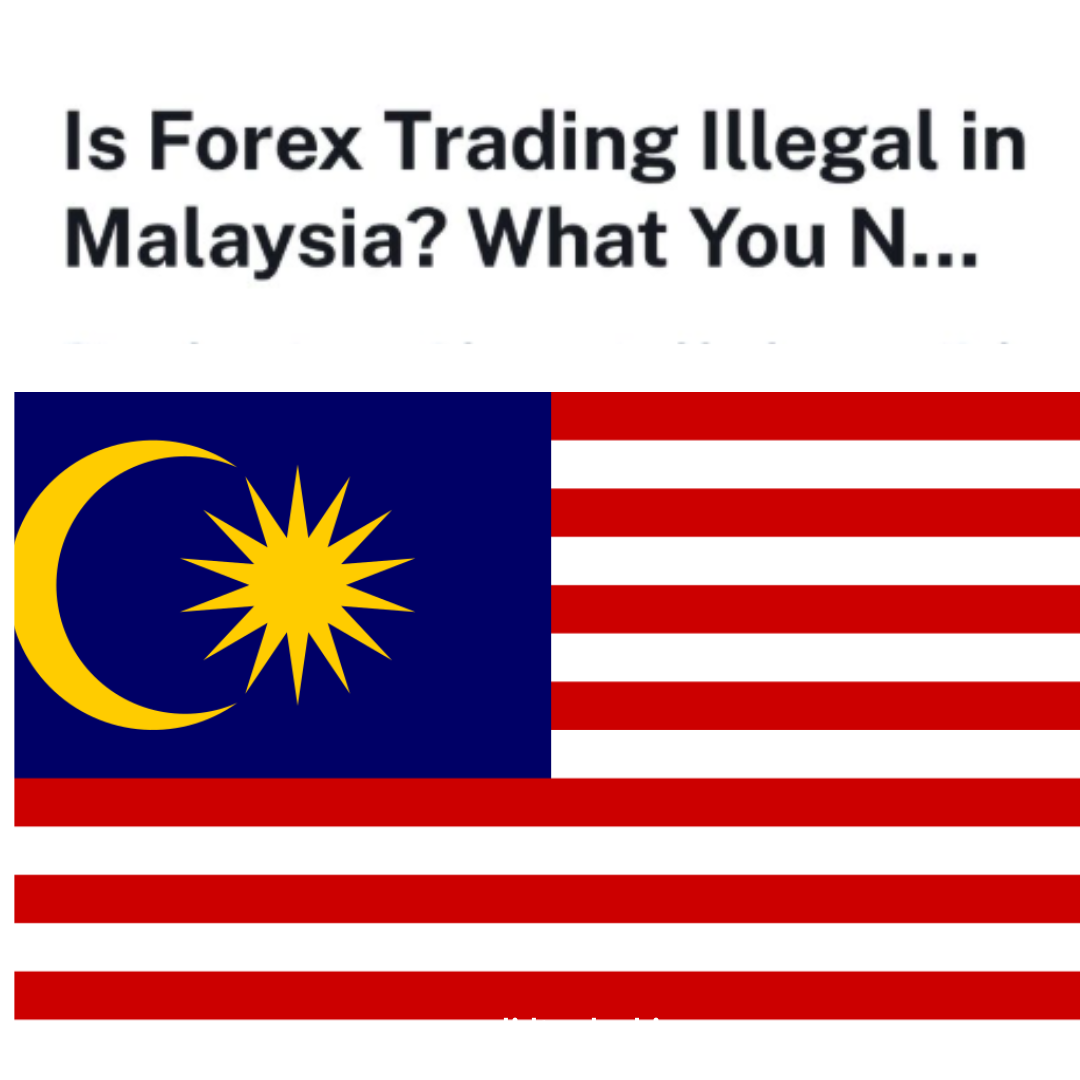
If you have ever wondered whether forex trading in Malaysia could land you in legal trouble, you are not alone. Thousands of Malaysians search this question every month - and the answer is more nuanced than a simple yes or no. Understanding the exact legal framework, the role of Bank Negara Malaysia, and what separates a compliant broker from an illegal one could save you from serious financial and legal consequences. Last Updated: June 2026
This guide covers everything you need to know about whether it is legal to trade forex in Malaysia, which platforms are approved, how Islamic finance considerations apply, and how crypto trading fits into the picture. Whether you are a complete beginner or already active in the markets, this is the most thorough breakdown available right now.
Forex Trading in Malaysia: The Legal Overview
Forex trading in Malaysia is legal - but only under specific conditions regulated by Bank Negara Malaysia (BNM), the country's central bank and primary financial regulator. BNM operates under the Financial Services Act 2013 and the Islamic Financial Services Act 2013, which together govern all currency exchange and financial market activity in the country. Trading with an unlicensed or foreign broker that is not BNM-approved falls into a legal grey zone that carries real risk.
The key distinction regulators draw is between retail speculative forex trading through offshore platforms and legitimate currency exchange for genuine economic purposes. BNM has historically taken a conservative stance on speculative trading, especially when conducted through foreign brokers operating outside Malaysian jurisdiction. That said, enforcement against individual retail traders has been limited - but that does not mean the risk is zero.
In 2026, Malaysian traders have more clarity than ever before, with BNM maintaining a public list of approved money changers and licensed financial institutions. Traders who stick to regulated channels are on solid legal footing. Those using unregulated offshore brokers operate at their own risk, and BNM has issued repeated public warnings about such platforms.
Is It Legal to Trade Forex in Malaysia Through Different Platforms?
Bank Negara Malaysia Approved Forex Brokers
BNM does not publish a list of approved retail forex brokers in the way that regulators like the UK FCA or Australian ASIC do. Instead, BNM licenses financial institutions - primarily banks and licensed money changers - to deal in foreign currencies. Retail forex trading platforms that operate in Malaysia without a Capital Markets Services Licence (CMSL) from the Securities Commission Malaysia (SC) are technically operating without full regulatory approval for that activity.
The Securities Commission Malaysia regulates capital market products and licensed investment advisers. For a forex broker to be fully compliant for Malaysian retail clients, it should ideally hold or operate under an SC-recognised licence. Checking the SC's investor alert list at sc.com.my before funding any account is a non-negotiable step every Malaysian trader should take.
Is OctaFX Legal in Malaysia?
OctaFX is one of the most searched broker names among Malaysian traders. OctaFX (now rebranded to Octa) is registered offshore - in Saint Vincent and the Grenadines - and is not licensed by Bank Negara Malaysia or the Securities Commission Malaysia. That means Malaysian traders using OctaFX are accessing an unregulated platform from a local legal perspective, even if the broker itself holds licences in other jurisdictions.
BNM has not explicitly banned OctaFX, but the broker does appear on some regional financial watchdog alert lists. Depositing funds with an unregulated offshore broker means you have limited legal recourse if something goes wrong. This is a real risk that any Malaysian trader should weigh carefully before opening an account.
Is Online Trading Legal in Malaysia?
Online trading - covering stocks, ETFs, and unit trusts - is fully legal in Malaysia when conducted through SC-licensed brokers such as Rakuten Trade, Mplus, or Maybank Investment Bank. The legal picture for forex specifically depends on the broker's licensing status. Stock trading via Bursa Malaysia-connected platforms is straightforwardly legal and well-regulated, making it a lower-risk entry point for new investors.
For forex and CFDs specifically, the SC has issued guidance clarifying that leveraged forex products offered by unlicensed entities are not permitted to be marketed to Malaysian retail clients. The grey area exists because many offshore brokers continue to accept Malaysian sign-ups without local oversight. Traders should treat the absence of a local licence as a red flag, not a green light.
Is Crypto Trading Legal in Malaysia?
Cryptocurrency trading is legal in Malaysia through SC-registered Digital Asset Exchanges (DAX). As of 2026, approved exchanges include Luno, MX Global, and Tokenize. Trading on non-registered exchanges is not permitted for Malaysian residents under the Capital Markets and Services (Prescription of Securities) (Digital Currency and Digital Token) Order 2019. The SC has taken enforcement action against unregistered crypto platforms operating in Malaysia.
If you are exploring crypto trading strategies alongside forex, understanding secure access tools matters. Serious traders use a BEST VPN FOR CRYPTO to protect their connection and maintain privacy when accessing exchanges - especially when travelling or using public networks. Privacy hygiene is part of responsible trading, not just a technical nicety.
Step-by-Step Guide to Trading Forex Legally in Malaysia
Getting started the right way is not complicated, but it requires doing a few things in the correct order. Skipping steps - especially the regulatory checks - is how traders end up with frozen accounts or unrecoverable losses.
Step 1: Verify the Broker's Regulatory Status
Before anything else, check whether the broker holds a licence from a Tier-1 regulator - such as the UK FCA (FCA register), Australian ASIC, or Cyprus CySEC. Then cross-reference the SC Malaysia investor alert list at sc.com.my to confirm the platform has not been flagged. A broker with no credible regulation anywhere should be avoided entirely.
Step 2: Confirm Identity and Residency Requirements
Regulated brokers require full KYC (Know Your Customer) verification, including a valid Malaysian IC (MyKad) or passport and proof of address. Completing KYC properly protects you legally and ensures your withdrawals process without issues. Brokers that skip KYC are a warning sign - not a convenience.
Step 3: Open a Demo Account First
Every reputable forex broker offers a free demo account with virtual funds. Spend a minimum of 30 days trading the demo before risking real money. Use this period to test your strategy, understand the platform's execution speed, and evaluate spreads and swap rates. Many traders skip this step and pay for it later.
Step 4: Fund with a Compliant Method
Use a Malaysian bank transfer, debit card, or SC-recognised payment method to fund your account. Avoid brokers that only accept cryptocurrency deposits or e-wallets with no banking paper trail, as these create compliance headaches and are harder to recover if disputes arise.
Step 5: Understand Your Tax Obligations
Malaysia does not impose capital gains tax on forex trading profits for individual traders as of 2026. However, if forex trading is your primary source of income, the Inland Revenue Board (LHDN) may classify your profits as business income, which is taxable. Keeping clear records of all trades and consulting a licensed tax adviser annually is the correct approach - not assuming everything is tax-free.
Step 6: Use Risk Management Tools
Set stop-losses on every position. Never risk more than 1-2% of your account on a single trade. Leverage in retail forex can be as high as 1:500 on offshore platforms - and that cuts both ways. Responsible position sizing is what separates traders who last years from those who blow accounts in weeks.
Is Forex Trading Halal or Haram in Malaysia?
This is one of the most searched questions among Malaysian Muslim traders, and it deserves a direct answer. Conventional forex trading involving overnight interest (swap rates) is generally considered haram under Islamic finance principles because it involves riba (usury). The swap fees charged when holding positions overnight are interest-based and conflict with Shariah law as interpreted by most Islamic scholars in Malaysia.
However, Islamic or swap-free forex accounts are widely available from regulated brokers. These accounts eliminate overnight swap charges and replace the broker's revenue model with an administration fee structure that is structured to be Shariah-compliant. The National Fatwa Council of Malaysia has addressed currency trading in multiple rulings, generally permitting spot currency exchange (immediate delivery) while cautioning against speculative trading for profit without economic purpose.
Before trading with an Islamic account, verify that the account has received a formal Shariah-compliance certification from a recognised body - not just a broker's marketing label. Brokers like FXTM and XM offer verified Islamic accounts with documentation. Consulting a qualified Islamic finance scholar before committing capital is a worthwhile step, especially for those for whom religious compliance is a priority.
For traders exploring the broader world of decentralised finance and airdrops alongside traditional forex, the RockSolid Airdrop guide offers a structured introduction to earning crypto rewards without upfront capital - a different risk profile from leveraged forex entirely.
Expert Perspective: What We Have Observed at SolidTrader
Our team at SolidTrader has tracked the Malaysian retail trading landscape closely over the past several years, and one pattern stands out consistently: traders who suffer the worst outcomes are almost always those who prioritised high leverage and offshore bonuses over regulatory safety. We have seen accounts frozen by brokers in Saint Vincent, withdrawal requests ignored for months, and traders with no legal recourse because the platform held no licence in any jurisdiction that could enforce a complaint. The broker landscape in Malaysia is full of well-marketed traps - platforms that spend heavily on affiliate marketing and influencer promotions but operate with zero accountability. Our strong recommendation is to accept slightly lower leverage and tighter bonus terms in exchange for a broker that holds a Tier-1 licence and has a physical, contactable compliance department.
Risks to Consider
The first risk is regulatory exposure. Trading with unlicensed offshore brokers in Malaysia is not explicitly criminalised for individual retail traders in most cases, but it leaves you with no legal protection. If the broker freezes your account, disputes your withdrawal, or simply disappears, you have no regulatory body in Malaysia to escalate the complaint to. This is not a theoretical risk - it happens regularly.
The second risk is leverage amplification. Retail forex is one of the few financial instruments where brokers routinely offer 1:200 or higher leverage to retail clients. A 0.5% adverse move on a 1:200 leveraged position wipes out 100% of the margin. Most new traders dramatically underestimate how quickly this can happen during news events or liquidity gaps. Brokers are required under EU and UK regulation to display the percentage of retail clients who lose money - on most platforms, it exceeds 70%.
The third risk is tax misclassification. Many Malaysian traders assume all forex profits are completely tax-free because Malaysia has no capital gains tax. That assumption is not always correct. LHDN has the authority to reclassify frequent trading profits as business income. Keeping clean records and getting a professional tax review annually protects you from unexpected assessments. Staying informed through resources like Best VPN for Crypto tools and compliant trading setups is part of managing your full risk profile responsibly.
Frequently Asked Questions
Is it legal to trade forex in Malaysia with a foreign broker?
Trading forex with a foreign broker is not explicitly illegal for Malaysian retail traders, but it is legally unprotected. BNM and the SC do not regulate foreign brokers operating outside Malaysian jurisdiction, which means you have no local authority to approach if a dispute arises. To minimise risk, only use foreign brokers that hold Tier-1 licences such as FCA, ASIC, or MAS, and always verify their status on the SC Malaysia investor alert list before depositing.
Does Bank Negara Malaysia approve forex brokers for retail trading?
BNM does not maintain a public approved list of retail forex brokers in the same way Western regulators do. BNM licenses banks and money changers for currency exchange under the Financial Services Act 2013. The Securities Commission Malaysia is the relevant body for capital markets products including forex CFDs. Checking the SC's licensing register and investor alert list is the correct verification step for any retail broker.
Is forex trading income taxable in Malaysia?
Malaysia does not have a capital gains tax, and for most retail traders, forex profits are treated as capital gains and are not taxable. However, if you trade full-time and forex is your primary income source, LHDN may classify it as business income subject to income tax. Maintaining detailed trade records and consulting a licensed Malaysian tax professional is the safest approach to avoid unexpected tax assessments.
Is forex trading halal in Malaysia for Muslim traders?
Standard forex trading with overnight swap rates is generally considered impermissible (haram) under Islamic finance principles due to the interest component. However, Islamic swap-free accounts - offered by many regulated brokers - restructure the fee arrangement to be Shariah-compliant, making forex trading permissible for Muslim traders under most scholarly interpretations. Always verify that the Islamic account has formal Shariah certification, not just a marketing label, and consult a qualified Islamic finance scholar if you have specific concerns.
Is crypto trading legal in Malaysia in 2026?
Yes, cryptocurrency trading is legal in Malaysia when conducted through SC-registered Digital Asset Exchanges such as Luno, MX Global, or Tokenize. Trading on unregistered exchanges is prohibited under the Capital Markets and Services Order 2019, and the SC has taken enforcement action against non-compliant platforms. Always verify an exchange's registration status on the SC website before depositing funds, and be aware that SC-registered exchanges in Malaysia are required to implement full KYC and AML procedures.
Sum up
Understanding whether it is legal to trade forex in Malaysia comes down to one central principle: the broker's regulatory status and the platform's compliance with SC and BNM frameworks determine your legal protection, not just the legality of trading itself. Using a Tier-1 regulated broker, understanding your tax obligations, and choosing Shariah-compliant account structures where required are the three pillars of responsible trading in Malaysia. The market opportunity is real - but so are the risks of operating in grey-zone territory with unregulated offshore platforms.
For more in-depth resources on legal trading platforms, crypto strategies, and maximising returns in compliant ways, explore the latest crypto airdrop guides at SolidTrader. Knowledge is the only edge that cannot be margin-called away.